
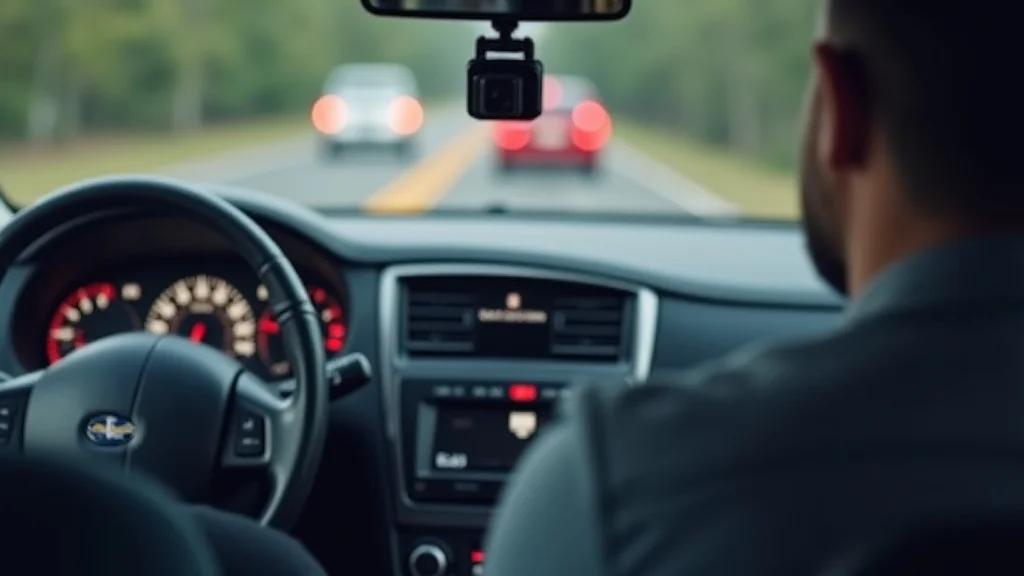
Picture this: you’re driving down the road, and suddenly, another vehicle swerves into your lane. What happens next? Without a reliable witness, proving what happened can be a headache. That’s where a cobra dash cam for vehicles steps in. They capture everything, providing clear video evidence for insurance claims or legal disputes. This post explains what you need to know about cobra dash cams, helping you choose the right one and use it effectively. You’ll gain valuable knowledge on features, installation, and how dash cams can protect you on the road, increasing your Time on Page and reducing Bounce Rate by providing a complete and informative guide.
Key Takeaways
- Learn the benefits of installing a cobra dash cam for vehicles.
- Understand the different features and specifications of dash cams.
- Get guidance on choosing the right cobra dash cam for your needs.
- Find easy-to-follow installation instructions.
- Discover how dash cams can assist in insurance claims and legal matters.
- Explore the various models and their specific advantages.
Why You Need a Cobra Dash Cam for Your Vehicle
The road is full of unpredictable events, from fender benders to more serious collisions. A dash cam is like an extra set of eyes, continuously recording what’s happening around your vehicle. It’s a digital witness that captures every moment, providing clear video and audio evidence. Having this type of record can be a huge advantage when it comes to insurance claims or legal situations. Think of it as your own personal security system for your car, always on the lookout and protecting your interests.
The Benefits of Having a Dash Cam
- Proof of Innocence: When an accident happens, a dash cam can provide undeniable evidence, helping you prove you weren’t at fault.
- Protection Against Fraud: Dash cams can protect you from insurance fraud, such as staged accidents.
- Record Road Trips: You can record your travels and create memories, documenting scenic drives, and unusual events.
- Monitor While Parked: Some dash cams have parking mode, which activates when your car is parked and detects impacts or motion.
Accidents often lead to conflicting accounts. With a dash cam, you have video proof to support your version of events, which is crucial in resolving disputes quickly and fairly. This can be the difference between paying for damage or getting compensated for it. The camera doesn’t lie, and the video can show exactly what happened, eliminating any “he said, she said” scenarios.
Sadly, some people try to take advantage of insurance systems through fraudulent schemes. A dash cam records everything, making it very difficult for someone to falsely accuse you of causing an accident. This protection saves you from higher insurance premiums and potential legal issues.
Dash cams aren’t just for accidents; they also provide a fun way to capture road trips. You can record beautiful landscapes, quirky incidents, or even wildlife encounters. This footage can later be rewatched to relive those experiences or share them with friends and family. It’s like having a built-in travel journal.
Parking mode allows the dash cam to record even when the car is turned off. This feature is especially beneficial for detecting hit-and-runs or vandalism while your vehicle is unattended. If something happens to your car while parked, you’ll have video evidence of it.
Features to Look for in a Cobra Dash Cam for Vehicles
Selecting the right cobra dash cam for vehicles involves more than just price. It’s about finding one that suits your needs. Different features provide distinct benefits. Understanding these elements will help you make a wise decision and pick the best camera for your car. These aspects make a big difference in the quality of the video and ease of use.
Video Resolution and Quality
- High Definition: Choose a dash cam with a high-resolution video quality for clearer images, especially for reading license plates or identifying details.
- Frame Rate: A higher frame rate results in smoother footage and less blur, especially during fast-moving events.
- Wide Dynamic Range (WDR): WDR helps to balance the exposure in different lighting conditions, making the image clearer in both bright sunlight and shadows.
Video resolution determines the level of detail captured by the dash cam. Higher resolution means better clarity, allowing you to identify vital information such as the license plates of other vehicles. 1080p (Full HD) is a good starting point, but 1440p (Quad HD) or 4K offers even better quality. This is vital when you need to make out fine details in an accident.
Frame rate indicates how many frames, or still images, are captured per second. A higher frame rate, such as 30 or 60 frames per second (fps), provides smoother video, minimizing blur. This is critical in capturing events clearly, as it reduces the blurriness that can result from rapid motion.
WDR is a technology that helps dash cams manage varying lighting conditions. It balances exposure to make images clearer in both bright and shaded areas. This feature is especially useful when driving towards or away from the sun or when entering tunnels, giving you a better view of your surroundings.
Essential Camera Specifications
- Field of View: A wider field of view allows the camera to capture more of the road and the surrounding environment.
- Storage Capacity: The dash cam will typically use a MicroSD card to save video data, so ensure that you choose one with an adequate storage capacity.
- Loop Recording: Most dash cams use loop recording, which means the device will continuously record, deleting the oldest footage when the storage is full to make room for new content.
The field of view (FOV) is the width of the area that the dash cam can record. A wider FOV, like 140-170 degrees, captures more of the road and its surroundings, reducing blind spots. This is important for recording more of the scene, allowing you to see what’s going on around your car.
The storage capacity of a dash cam determines how much footage it can save before overwriting the oldest recordings. Consider the amount of driving you do and select a card with sufficient capacity (e.g., 32GB, 64GB, or larger). A larger storage capacity means you’ll keep more of the video before the system needs to record over the old content.
Loop recording ensures that the dash cam keeps recording without your direct interaction. When the storage is full, the device automatically overwrites the oldest footage, allowing continuous operation. It’s a handy feature that guarantees your camera always records events without interruption, ensuring your safety.
Extra Features to Consider
- GPS: Dash cams with built-in GPS can record your location and speed, which is beneficial for providing precise evidence in an accident.
- G-Sensor: A G-sensor detects sudden impacts or changes in acceleration. When triggered, it automatically locks the current video file, preventing it from being overwritten.
- Wi-Fi Connectivity: Wi-Fi allows you to transfer videos to your smartphone or computer, making it easy to share footage with others.
GPS functionality tracks your vehicle’s location and speed, allowing you to accurately document where and how fast you were driving. This information can be essential in verifying details during insurance claims or legal proceedings.
A G-sensor (or gravity sensor) detects abrupt changes in movement, like a collision or sudden braking. It locks the video file to ensure it’s saved and can’t be accidentally deleted. This is very important for securing the most critical recordings of an accident or incident, preserving the essential details for later review.
Wi-Fi enables quick and easy access to your dash cam footage. You can download and share videos via a mobile app, making it simpler to view, store, and share your recordings. This capability provides a modern, convenient experience for managing and sharing video content without removing the MicroSD card.
Choosing the Right Cobra Dash Cam for Your Needs
The right cobra dash cam for vehicles for your car relies on individual needs. Consider these factors when making a choice. This involves determining your driving habits, budget, and features that match your needs. By weighing the pros and cons, you can find a dash cam that perfectly fits your driving style and offers the most important features.
Types of Cobra Dash Cams
- Single-Lens Dash Cams: These are the most common type, capturing footage from the front of the vehicle.
- Dual-Lens Dash Cams: Dual-lens dash cams capture footage from both the front and rear of your vehicle, providing comprehensive coverage.
- Dash Cams with Interior Cameras: Some dash cams include an interior camera, which is useful for recording the inside of the vehicle, particularly for ride-sharing services.
Single-lens dash cams are designed to record what is happening in front of your vehicle. These are perfect for documenting accidents or recording your driving routes. They’re a cost-effective way to get the core features needed for safety and protection.
Dual-lens dash cams, with their front and rear cameras, offer extensive coverage, recording both the front and rear views simultaneously. This is especially helpful in case of rear-end collisions or incidents. This complete view provides better security.
Dash cams with interior cameras can record what goes on inside the car, which is useful for ride-sharing drivers. These cameras provide a good safety net for drivers and passengers. Interior cameras can be a valuable tool for accountability.
Budget and Features
- Price Range: Dash cams vary in price, ranging from entry-level models to high-end cameras with advanced features.
- Prioritize Your Needs: Evaluate what features you truly need, such as high resolution, GPS, or parking mode.
Dash cams are available at different price points. Entry-level models offer basic recording capabilities, while high-end options include advanced features such as Wi-Fi, GPS, and parking mode. Determine how much you are willing to spend and what features are most important to you.
Before purchasing a dash cam, consider your specific needs. Do you drive in areas where parking mode would be helpful? Is GPS important for recording your speed and location? Prioritizing your needs will help you find a dash cam that offers all the features you need without paying for extras you won’t use.
Popular Cobra Models
- Cobra SC Series: Known for their high-resolution video and advanced features, such as built-in Wi-Fi and GPS.
- Cobra CDR Series: These are more budget-friendly options that still offer essential features like loop recording and G-sensors.
- Cobra Drive HD Series: This series combines affordability with features, making it a good choice for new dash cam users.
The Cobra SC series dash cams include high-resolution video quality, built-in Wi-Fi, and GPS. These models are great for users looking for top-notch video quality, easy file sharing, and location tracking.
The Cobra CDR series offers essential features like loop recording and G-sensors. These are great choices for drivers on a budget who want the security and video recordings.
The Cobra Drive HD series merges affordability with a good set of features. It’s perfect for drivers getting into dash cams for the first time, delivering solid recording capabilities without a complicated setup.
Installing Your Cobra Dash Cam for Vehicles
Installing a cobra dash cam for vehicles is a straightforward process, but getting it right ensures that it functions correctly. Proper installation guarantees you receive clear footage and that the dash cam captures important events. These steps will make setup easy.
Preparing for Installation
- Unboxing and Checking Contents: Make sure to check the box for all of the pieces, including the dash cam, mount, power cable, and MicroSD card.
- Gathering Tools: You’ll need a few basic tools, such as a plastic trim removal tool, to tuck the power cable out of sight.
Before installation, unpack and check the contents of the dash cam package. Ensure you have the dash cam unit, the mounting hardware, the power cable, and the MicroSD card. This step prevents any surprises during installation and ensures all components are present.
Gather some basic tools to make your installation smooth. A plastic trim removal tool helps you tuck the power cable neatly into your vehicle’s interior. Additionally, a microfiber cloth can clean the windshield and any other surfaces you’ll work with. These tools make the process easier and look professional.
Step-by-Step Installation Guide
- Mounting the Dash Cam: Attach the mount to your windshield, ensuring it is positioned where the camera has a clear view of the road.
- Connecting the Power Cable: Run the power cable from the dash cam to your car’s power outlet, tucking it neatly along the edges of your windshield.
- Inserting the MicroSD Card: Insert the MicroSD card into the designated slot on the dash cam.
- Powering Up and Testing: Connect the power cable to the car, and start the engine to make sure the dash cam starts recording.
Attach the mount that came with your dash cam to the windshield. Be sure to place it where the camera’s view is not blocked by anything. The correct placement is important for capturing useful footage.
Run the power cable from the dash cam to the power outlet. Use the trim tool to hide the cable under the windshield’s edges. This keeps the cable out of sight and reduces the risk of it interfering with driving or the vehicle’s aesthetics.
Insert the MicroSD card into the slot on your dash cam. The MicroSD card is essential for storing video recordings. Make sure the card is inserted properly, which is typically marked near the slot.
Plug the power cable into your car’s power outlet, and start your vehicle. The dash cam should power on and begin recording. Check the screen to verify that the camera is recording and capturing video.
Cable Management Tips
- Using Trim Tools: Employ a trim tool to safely hide the power cable behind the headliner and around the windshield.
- Cable Clips: Use cable clips or adhesive clips to secure the cable in place, especially near the windshield or dashboard.
- Alternative Power Options: Consider hardwiring the dash cam for a cleaner look.
Use a plastic trim tool to tuck the power cable into the car’s interior panel. This will make the installation look professional and prevents the cable from getting in your way.
Use cable clips or adhesive clips to keep the power cable in place. This prevents the cable from drooping or getting caught on objects, maintaining a tidy appearance and safe environment.
For a sleeker and more professional appearance, consider hardwiring the dash cam directly into your car’s electrical system. This removes the need for a power outlet and hides the cable completely. However, seek help from a professional if you’re not comfortable with electrical work.
Using Your Cobra Dash Cam for Insurance Claims and Legal Matters
Your cobra dash cam for vehicles can play a critical role in insurance claims and legal matters. Its footage can provide compelling evidence, protecting you from false claims and helping you get a fair settlement. The video recordings offer a clear picture of what happened.
Filing an Insurance Claim
- Gathering Evidence: Collect the dash cam footage, as well as any other evidence, such as photos of the accident scene, and information about the other drivers involved.
- Submitting the Footage: Give the dash cam footage to your insurance company.
- Cooperating with the Insurance Adjuster: Answer questions honestly and provide all required documentation.
When you file a claim, compile all your evidence. This includes video footage from your dash cam, photos of the scene, and information about the involved vehicles. These pieces help support your account of the incident.
Provide your insurance company with the dash cam footage as soon as possible. The video provides a clear and impartial account of the accident, which can speed up the claims process and help determine liability.
Cooperate fully with the insurance adjuster by giving honest answers and supplying all needed documents. Your honest cooperation can accelerate the claim, ensuring it’s handled fairly and swiftly.
Using Footage in Legal Proceedings
- Consulting with a Lawyer: Seek advice from a lawyer to guide you through legal proceedings.
- Presenting the Evidence: Provide the dash cam footage as evidence in court or during negotiations.
- Understanding Legal Requirements: Be aware of the laws about recording audio and video in your state.
Get legal advice from a lawyer. They can assess your situation and explain how to use your dash cam footage in a legal setting. A lawyer will help you interpret laws and prepare your case.
Use your dash cam footage as evidence in court or in out-of-court settlements. The video gives a clear and impartial view of events, supporting your position.
Understand your local laws. Some jurisdictions have specific rules on recording audio and video, especially when it comes to consent. You can ensure you follow these rules.
Common Myths Debunked
Myth 1: Dash Cams Are Difficult to Install
Many people assume that installing a cobra dash cam for vehicles is a complex task. The truth is, most dash cams come with easy-to-follow instructions, and the installation process is straightforward. With a bit of patience and some basic tools, you can easily install your dash cam.
Myth 2: Dash Cams Are Only for Accidents
A common misconception is that dash cams are only useful after an accident. Actually, dash cams offer a broader array of benefits, including protection against insurance fraud, the ability to record road trips and provide peace of mind. They can also capture scenic routes and assist with parking.
Myth 3: Dash Cams Always Record Audio
Some people believe that dash cams automatically record audio. While some dash cams do have this capability, it’s not always enabled by default, and some allow the user to disable audio recording for privacy. Check the settings and legal requirements in your area to determine your policy.
Myth 4: Dash Cam Footage Is Always Admissible in Court
Dash cam footage is not always admissible. Its admissibility can depend on several factors, including local privacy laws and the way the video was obtained. The rules vary from state to state and even from case to case. It’s important to familiarize yourself with your state’s laws.
Myth 5: All Dash Cams Have the Same Features
Another myth is that all dash cams are created equal. The reality is that dash cams vary widely in their features. Models offer different video resolutions, GPS, parking modes, Wi-Fi connectivity, and more. Selecting the one with the right features is important.
Frequently Asked Questions
Question: How long do dash cam videos typically record before looping?
Answer: Dash cams typically loop record, overwriting the oldest footage when the storage is full. This ensures continuous recording without you having to manually delete videos.
Question: Does a dash cam need to be plugged into the car’s power outlet at all times?
Answer: Yes, dash cams usually need to be plugged into the car’s power outlet to operate continuously. Some models also have a built-in battery for parking mode, but this typically isn’t enough for constant operation.
Question: Can dash cam footage be used to challenge a traffic ticket?
Answer: Yes, dash cam footage can be presented to contest traffic tickets. Video evidence can show what happened, and it can assist in demonstrating an error or lack of fault.
Question: Is it necessary to format the MicroSD card in a dash cam?
Answer: Yes, it is recommended to format the MicroSD card regularly to ensure it works correctly with the dash cam and prevents errors. This can be done through the camera settings or in your computer.
Question: What do I do if my dash cam stops recording?
Answer: Check the power connection, the MicroSD card, and the camera’s settings. Make sure that everything is plugged in and set up correctly. If the problem continues, consider trying a different card or contacting the manufacturer for help.
Final Thoughts
A cobra dash cam for vehicles is a smart investment for any driver. It not only provides an objective record of events but also offers peace of mind. You can be assured that in the event of an accident or unexpected situation, you’ll have valuable evidence on your side. With a dash cam, you’re better prepared to manage insurance claims, legal disputes, and unexpected road events. Make your next drive safer and more secure by considering a cobra dash cam. Take action now and discover the advantages of protecting your car and yourself on the road.



Leave a Reply